

Context
Thinking as a co-founder first and designer second
As part of the startup incubator LavaLab, my co-founders and I were tasked with identifying a problem space and building a business venture within ten weeks.
One of my co-founder’s parents worked in the cost segregation industry, which gave us direct insight into this problem area.
Outcomes
- Validated problem through 15+ user interviews To build a holistic view of the problem.
- Signed testing with 4 partners Including larger firms in the industry such as CSSI.
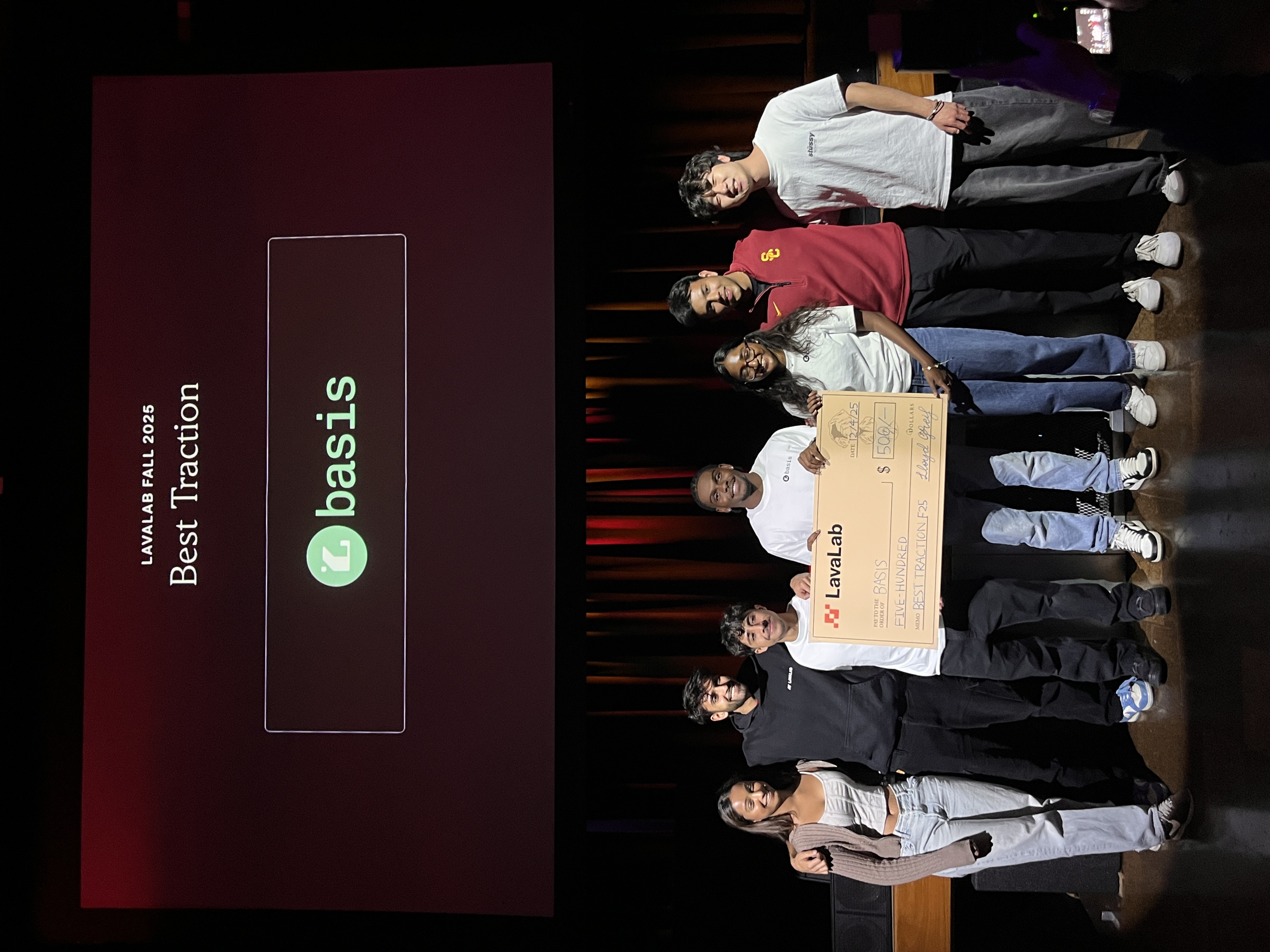
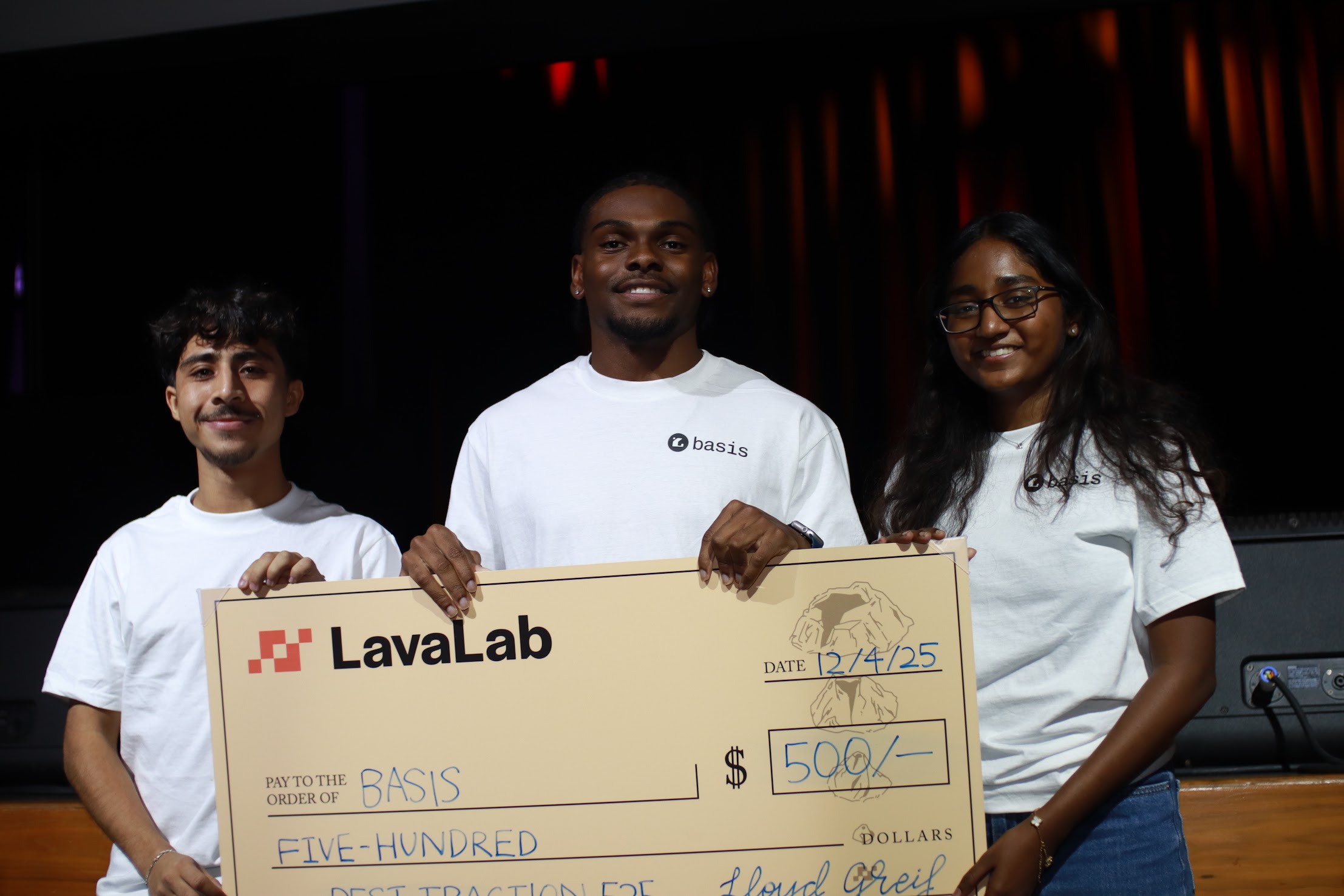
- Best Traction Award LavaLab F25 Industry Pitch Competition.
Solution
Cost segregation studies are slow, expensive, and heavily manual
Professionals must cross-reference multiple ambiguous documents with no standardized input structure, leaving much of the analysis to estimation. As a result, a single residential study typically costs around $1,200 and can take 2–3 weeks to complete.



Presenting: Basis
We reduced manual work behind cost segregation by using AI to analyze property documents and generate structured asset classifications.
Our product is built for cost segregation engineers in small to medium firms targeting residential studies. With a shrinking talent pipeline in the industry, new AI capabilities create an opportunity to automate their most time-intensive tasks.
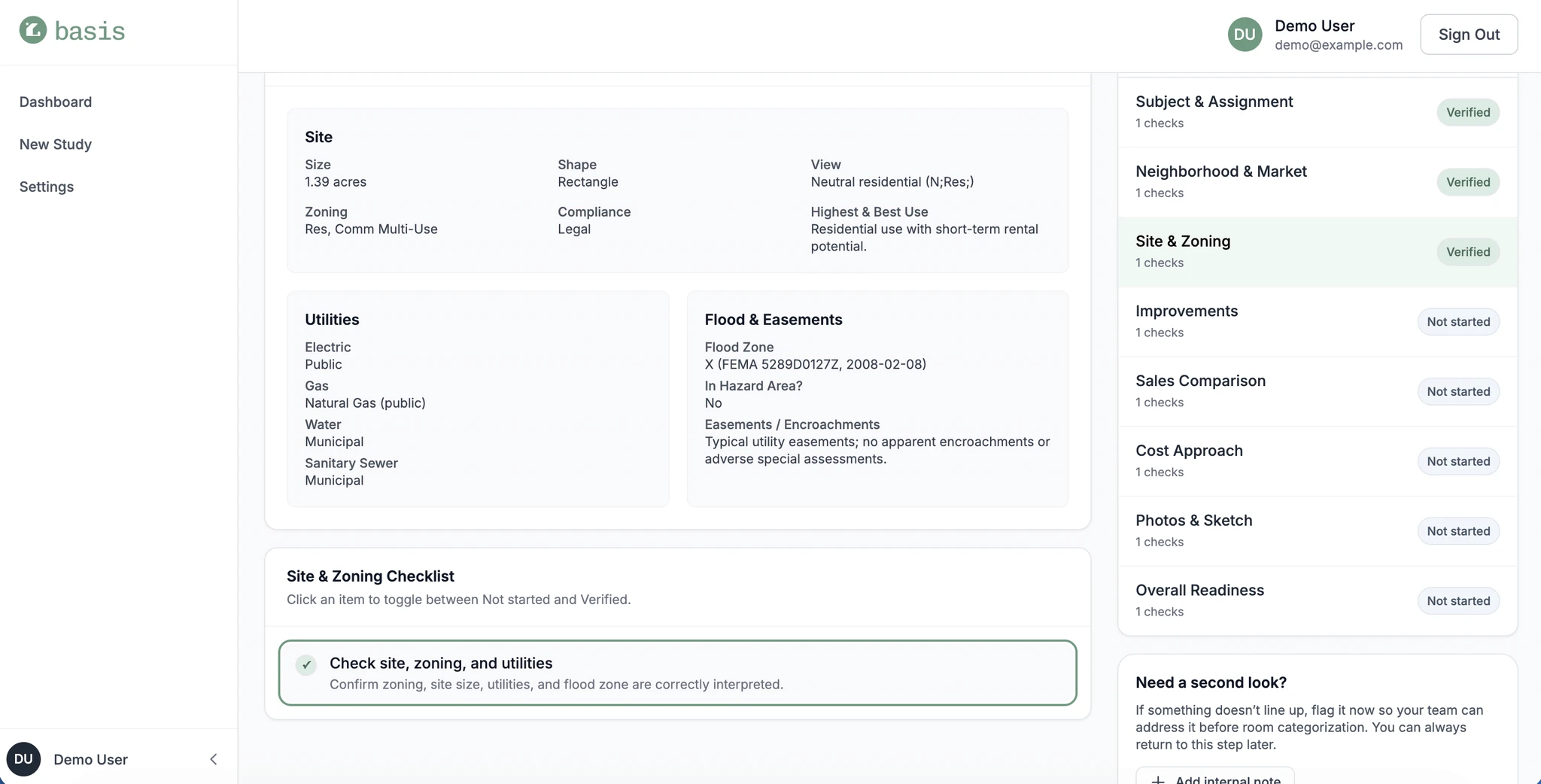
Human-in-the-loop workflows
Because cost segregation relies on professional judgment, Basis was designed with review, override, and approval checkpoints.
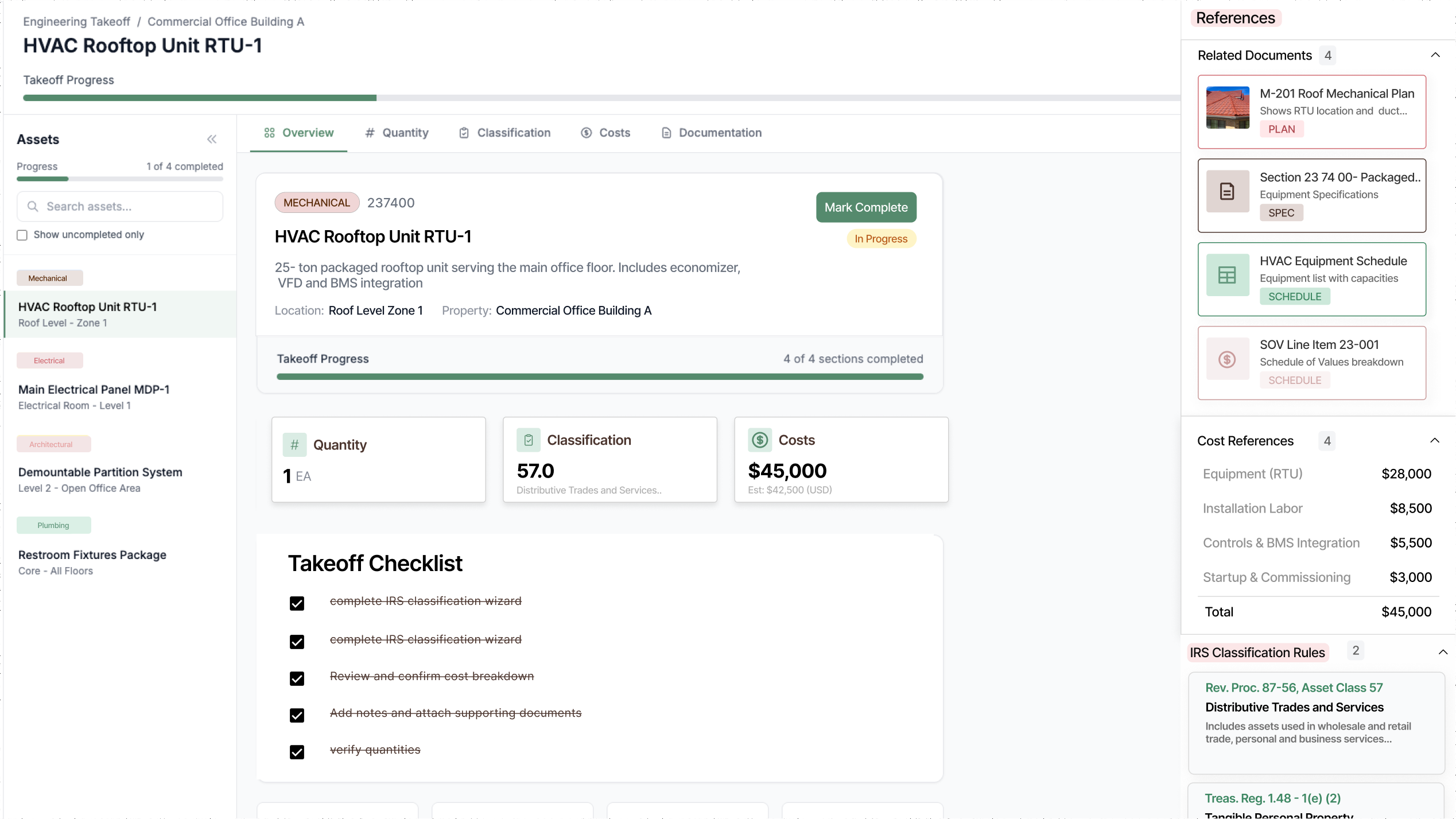
Cross-referencing in one place
Engineers previously switched between photos, appraisals, sketches, and notes to validate a single decision. Basis brings these documents into one interface.
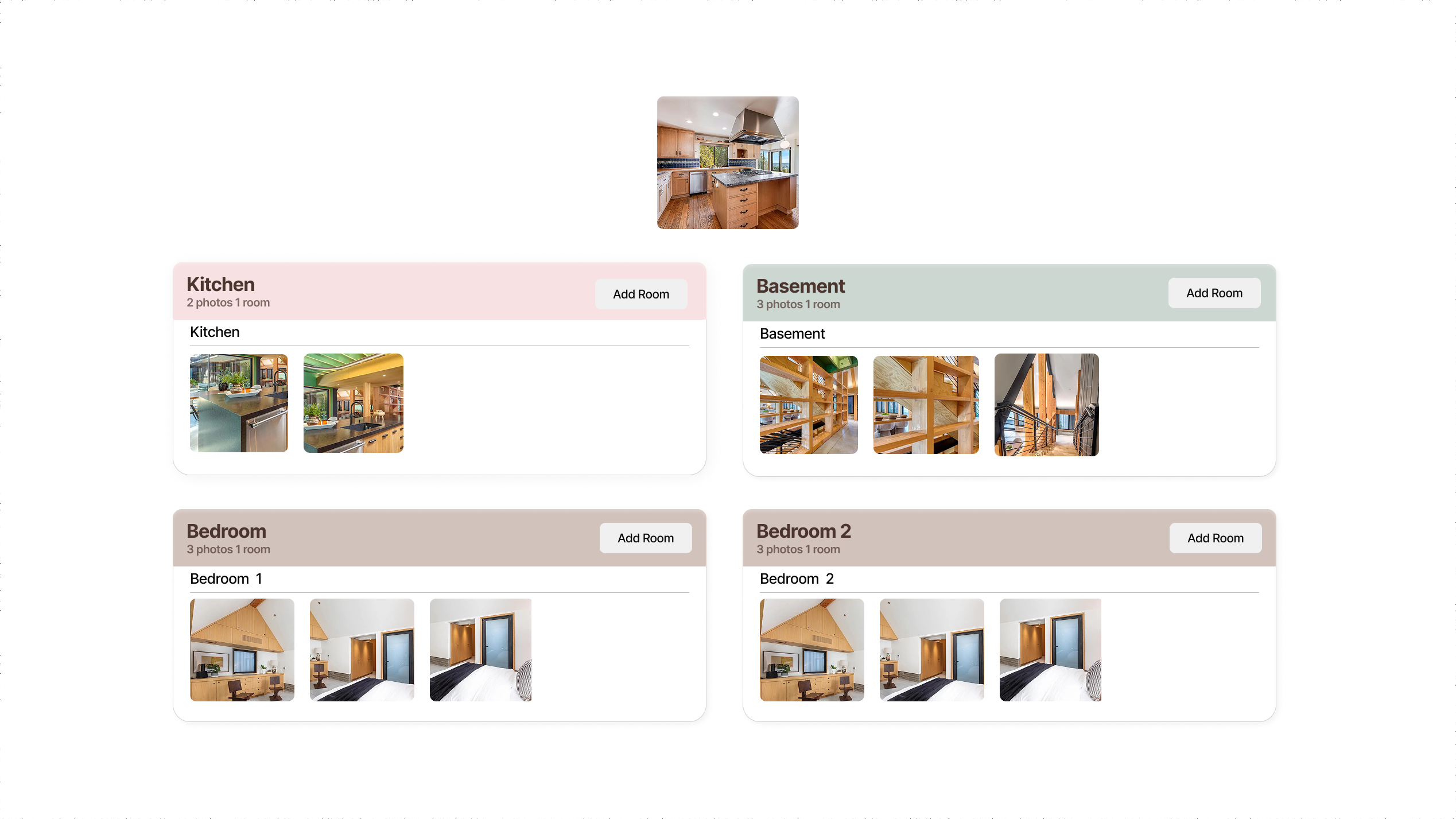
Automating redundant tasks
Basis automates repetitive tasks like extracting information, classifying rooms and organizing evidence so engineers can focus on higher-value judgment calls.
Process
Understanding the problem
Through interviews across the industry—including retired cost segregation specialists, practicing engineers, sales leaders, and firm CEOs—we built a holistic view of how studies are executed, sold, reviewed, and defended today.
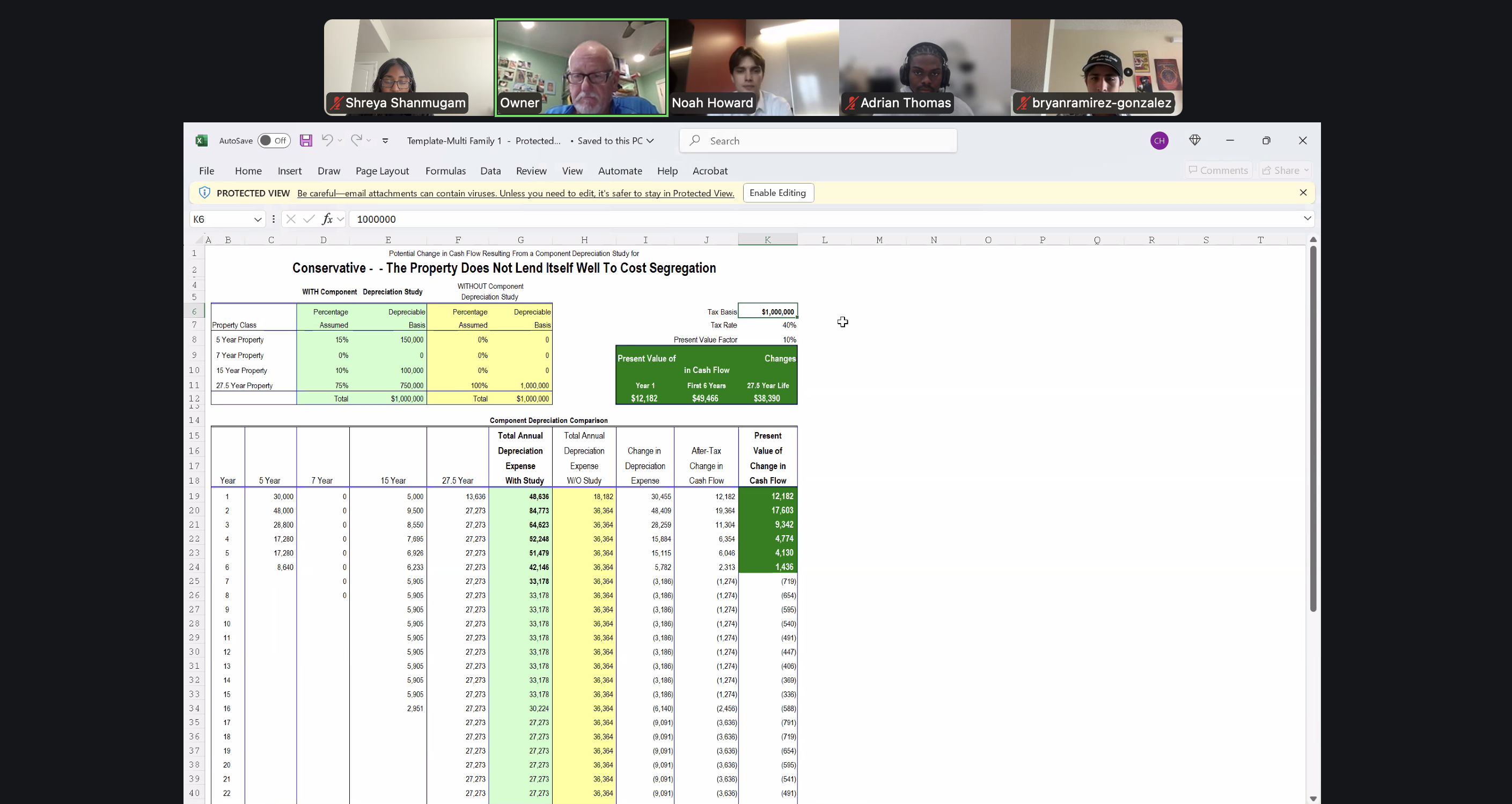
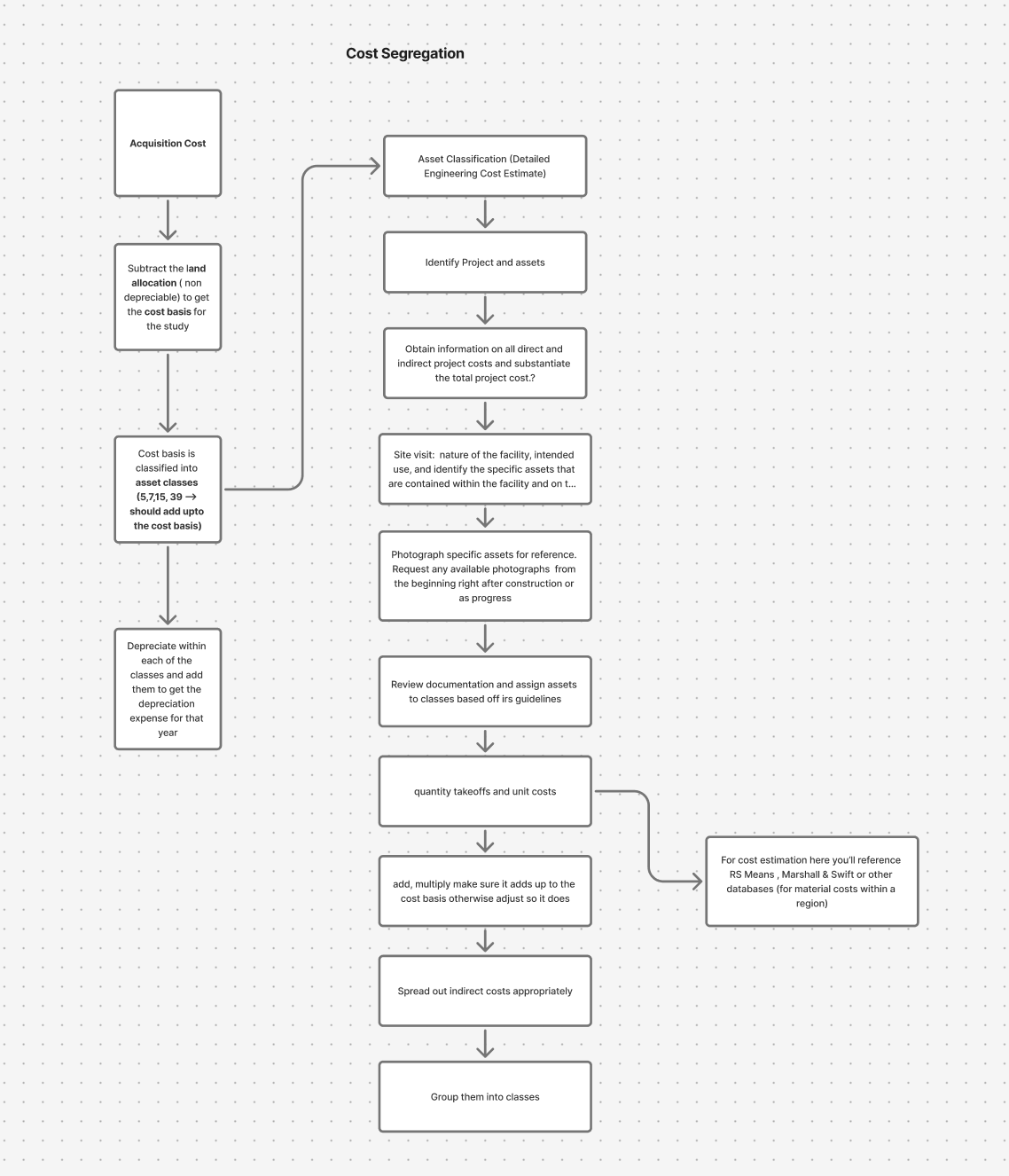
While many AI tools tried to automate this step, they failed at the same point: engineers couldn’t easily trace outputs back to source documentation or understand how decisions were made.
The biggest friction isn’t analysis — it’s confidence. Faster outputs don’t matter if they can’t be verified or defended. When confidence breaks, manual rework takes over.
Validation and setbacks
Around week 3, we secured verbal commitment from a mid-sized firm to act as a design partner and provide data in exchange for building a solution. A few weeks in, they chose to build internally and ended the collaboration over text.
Key learning: Strong demand validated our direction but highlighted the need to secure partnerships early with clear NDAs.
Building with AI
With minimal engineering bandwidth we prototyped in Cursor, Lovable, and Figma. The largest issues were that early versions didn’t account for documentation and evidence, and oversimplified the workflow to be completely AI-dependent.
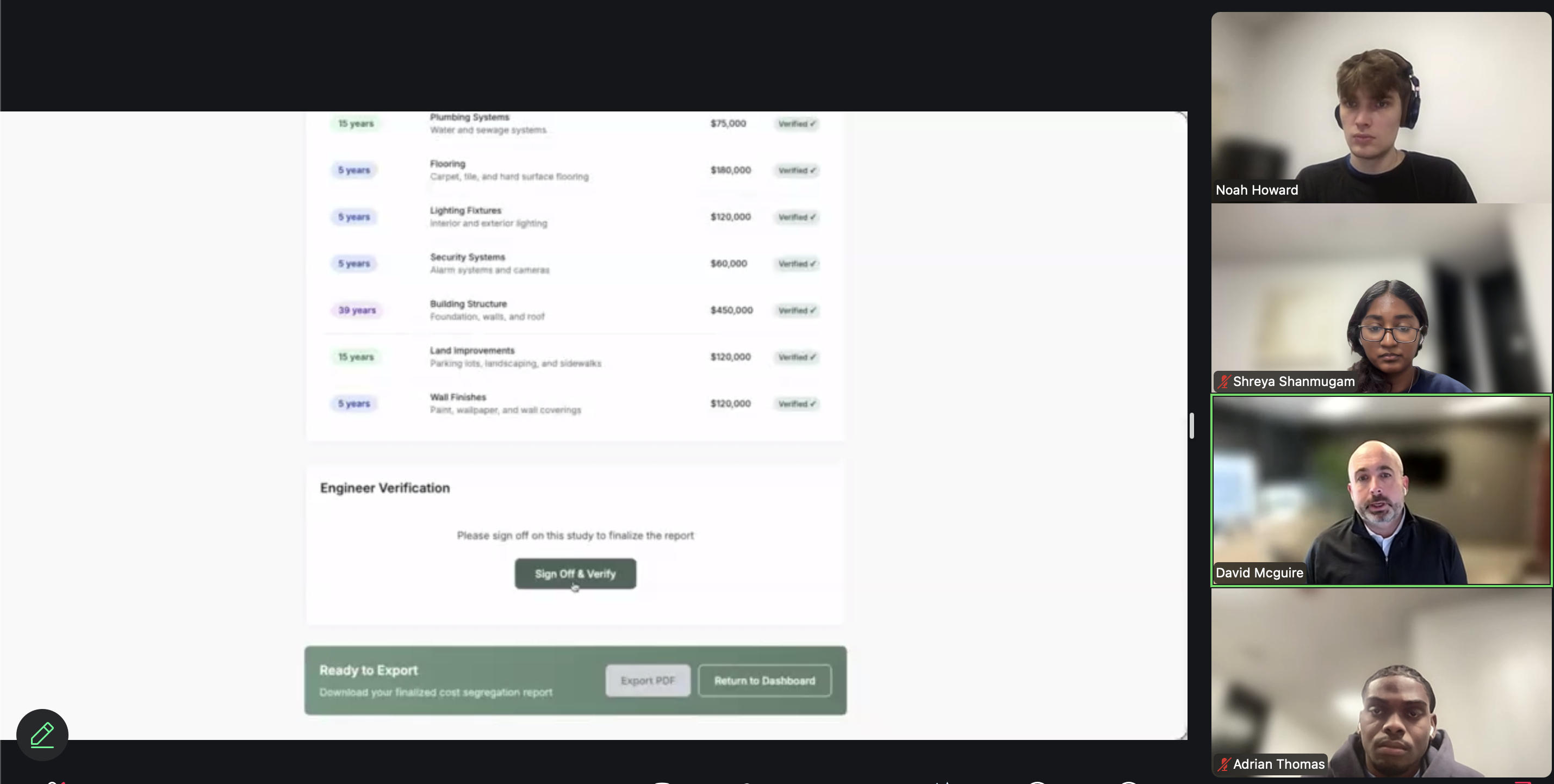
Our final direction ensured we:
- Account for evidence and traceability
- Allow fast cross-references
- Help engineers keep a checklist
- Keep engineers in the workflow
- Allow navigation from whole-property view down to a single asset
Impact
Shipping my first product as a founding designer
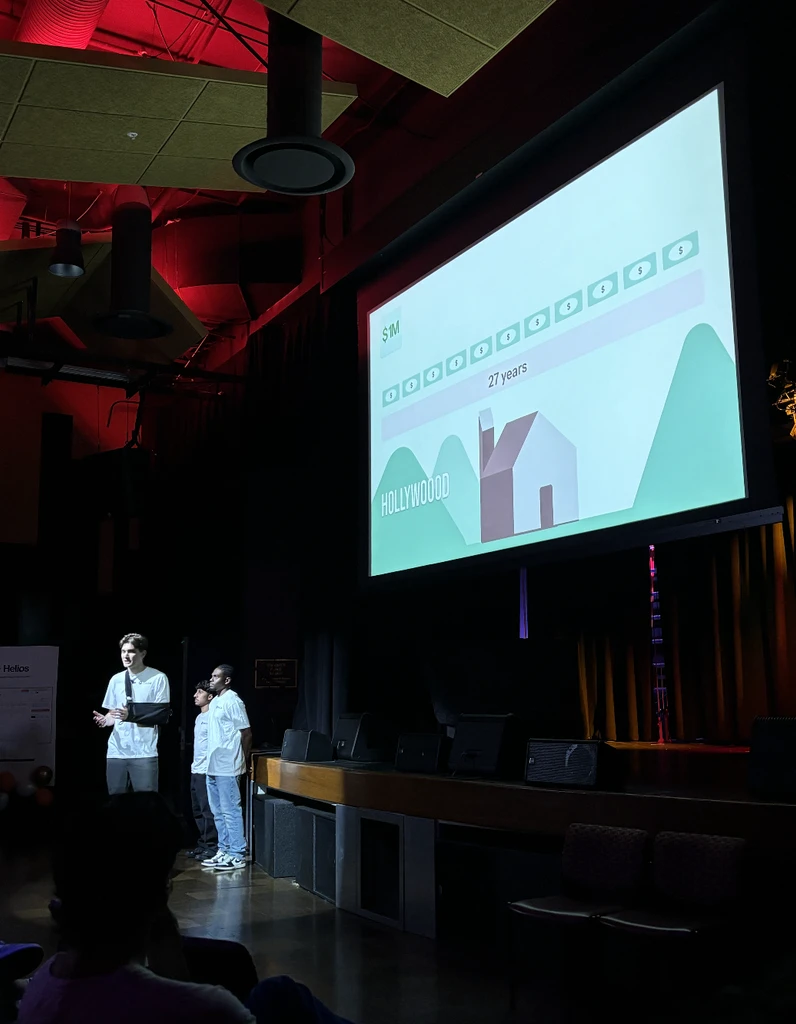
In just six weeks, we launched the first version of Basis and validated demand for AI-assisted cost segregation tools. Early traction and industry feedback led to Best Traction at LavaLab’s Fall 2025 Industry Pitch Competition.
Key takeaways
Design around a moment of need
The most meaningful impact came from focusing on the exact moment engineers lose confidence- when analysis outputs need to be validated and defended. Designing around that moment clarified what actually mattered and what didn’t.
Ship fast and iterate faster
Short cycles with real users surfaced what slide decks couldn’t. Losing a design partner hurt, but it sharpened how we framed partnerships. Continuous iteration >>> Perfect first draft.
Brand and pitch matter more than you think
In a conservative, regulated space, how you explain the product is as important as what it does. Midway through the project, we revisited our branding and positioning—and saw an immediate shift in how people reacted. Clearer language, consistent visual motifs, and a more restrained tone made the product feel more credible, easier to understand.
More case studies